

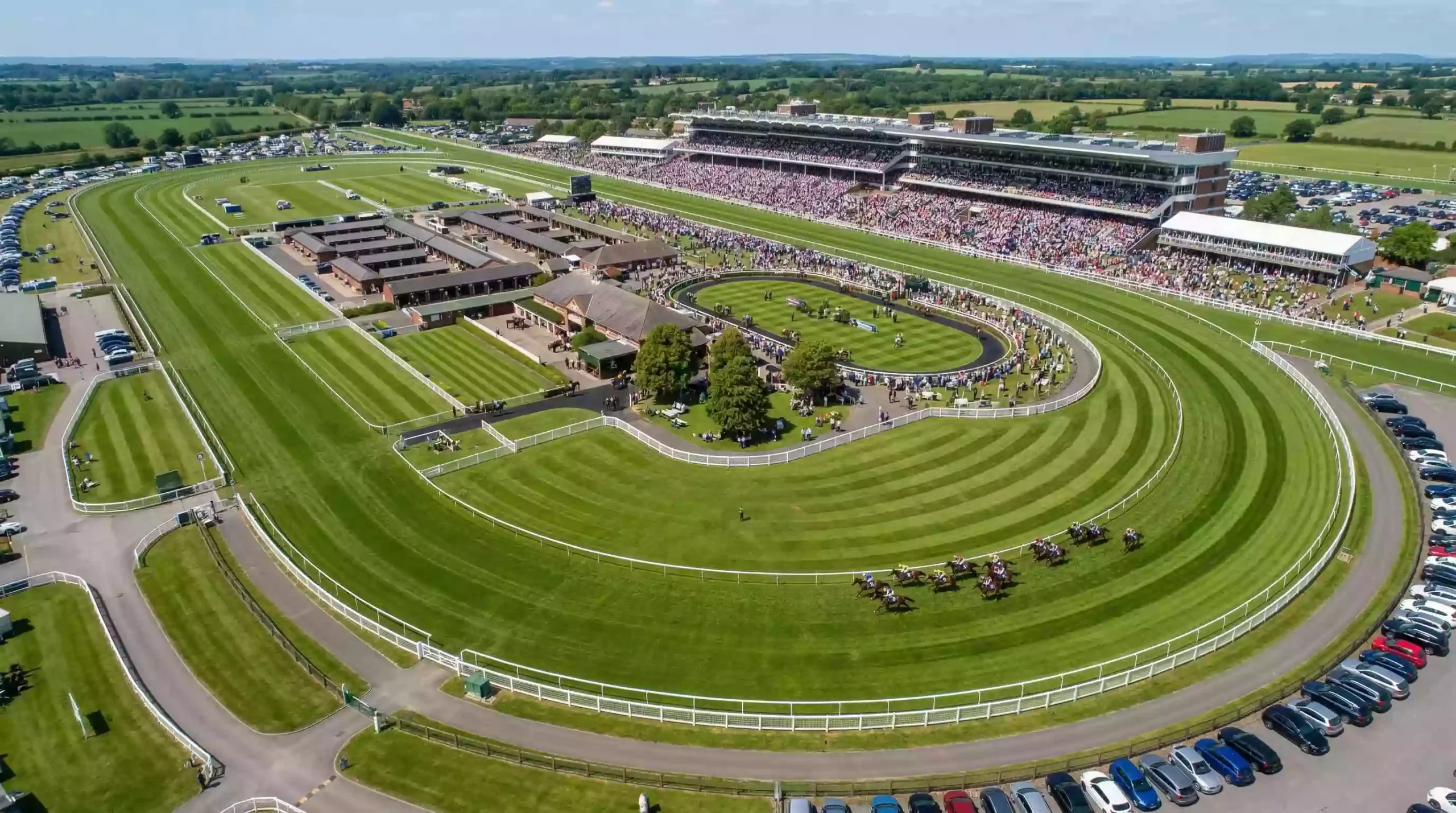
The horse racing betting levy is one of those mechanisms that sits behind the scenes of every bet you place on a UK race, quietly funding the sport you’re wagering on. Every licensed bookmaker that takes bets on British horse racing contributes a percentage of their gross profits to the Horserace Betting Levy Board, which then distributes that money across prize funds, integrity services, veterinary research, and industry development. The principle is simple: betting on racing should fund racing. Horse Racing Betting Levy — More on this topic at horse racing bookmakers.
Most punters never think about the levy. They don’t need to — it doesn’t affect the odds they receive or the payout they collect. But the levy is the financial thread that connects the betting market to the sport itself, and understanding how it works reveals something important about the economics of horse racing in Britain. Every bet placed feeds the sport it’s placed on.
How the Levy System Works
The Horserace Betting Levy Board was established by the Betting Levy Act 1961, making it one of the oldest funding mechanisms in British sport. The basic model has remained consistent: bookmakers pay a levy on their gross profits from bets on British horse racing, and the HBLB distributes the collected funds to support the sport.
The levy rate has been fixed at 10% of gross profits from British horse racing since the 2017 reform, which was a pivotal moment for the system. Before 2017, the levy applied only to bookmakers licensed in Great Britain. The reform extended it to all operators taking bets from British customers, including those licensed offshore. That expansion dramatically increased the levy yield by capturing revenue from the major online operators — many of whom were based in Gibraltar or Malta — that had previously avoided contribution.
The levy collected in the 2024/25 financial year reached £108.9 million, the highest figure since the 2017 reform. That represented an increase from £105.3 million in 2023/24 and £100 million in 2022/23 — a steady upward trend that reflects both the growth of online betting and the broadened scope of the levy since the reform. These are meaningful sums. The levy is the single largest external funding source for British racing, and its health is directly tied to the health of the betting market.
The mechanics of collection are straightforward. Bookmakers calculate their gross profits from bets on British racing (stakes received minus winnings paid out), apply the 10% rate, and remit the amount to the HBLB. The calculation is audited, and the HBLB publishes annual accounts showing total yield, allocation, and expenditure. Transparency is built into the system.
Where Levy Money Goes
The HBLB distributes levy funds across four main categories, each serving a distinct function in the racing ecosystem.
Prize money is the largest allocation. In 2024/25, the HBLB directed £66.9 million to prize funds across British racecourses. That money supplements the contributions made by racecourses themselves and by race sponsors, and it flows directly into the purses that attract owners, trainers, and horses to compete. Higher prize money attracts better horses, which produces better racing, which attracts more betting — a virtuous cycle that the levy is designed to sustain.
Integrity and regulation received £19.4 million. This funds the work of the BHA’s integrity department, which monitors betting patterns for suspicious activity, enforces the rules of racing, and investigates potential corruption. The integrity function is critical to public confidence in the sport. If punters don’t trust that races are run fairly, the betting market — and by extension, the levy — collapses. The investment in integrity is an investment in the credibility of the product.
Veterinary science and horse welfare received £2.3 million. This funds research into equine health, racecourse safety, and welfare standards. It’s the smallest allocation by value but arguably the most important by principle — the sport’s social licence depends on demonstrating that the animals at its centre are protected.
The remaining funds cover industry development, training, and recruitment. The HBLB supports programmes to attract new participants to the sport — from stable staff and jockeys to racegoers and bettors — and funds initiatives aimed at modernising the racing product. The combined budget for these functions was approximately £7.9 million in 2024/25.
Levy Trends and Future
The levy’s headline figure of £108.9 million masks a more complicated picture. While the total yield has grown, the underlying betting turnover on horse racing has been declining. Average turnover per race fell 8% year on year in 2024/25, continuing a multi-year trend driven by affordability checks, competition from other betting products, and the gradual migration of casual punters away from horse racing toward football and in-play markets. Even so, the HBLB has committed to increased support: for 2026, it raised prize money spending by £4.4 million and regulatory incentives by £1.2 million, as part of a total support budget of £77.1 million.
This creates a paradox. The levy yield is rising because online bookmaker margins on racing remain healthy — gross profits per race are holding up even as the volume of money wagered falls. But if turnover continues to decline, there’s a point at which the levy yield will plateau or fall, because gross profits eventually follow turnover downward. The HBLB’s own modelling acknowledges this risk.
The tax reforms scheduled for 2026 and 2027 add further uncertainty. The increase in Remote Gaming Duty and the introduction of a new remote sports betting tax could compress bookmaker margins, which would directly reduce the gross profits on which the levy is calculated. The racing industry has pushed hard for horse racing bets to be treated favourably in the new tax structure — and has secured a 15% rate on racing versus 25% on other sports — but the broader impact on bookmaker profitability could still ripple through to the levy.
BHA chief executive Brant Dunshea has framed the stakes bluntly. In an unprecedented move in August 2025, British racing chose not to race in protest over government tax proposals — the first time the sport has taken strike action. As Dunshea put it: “This is the first time that British Racing has chosen not to race due to Government proposals. We haven’t taken this decision lightly, but in doing so, we are urging the Government to rethink this tax proposal to protect the future of our sport, which is a cherished part of Britain’s heritage and culture.” That step reflected the industry’s view that the tax changes threaten the financial ecosystem that the levy supports. Whether the government’s concessions on racing-specific tax rates are sufficient to protect the levy’s long-term trajectory remains an open question.
For punters, the levy’s future matters because it directly affects the quality of the racing product. Lower levy yields mean lower prize money, which means smaller fields, weaker competition, and fewer betting opportunities. The connection between your betting activity and the sport you’re betting on is more direct than most people realise. See also UK Gambling Tax Changes 2026–2027.
Why the Levy Matters to Every Punter
The horse racing betting levy is the financial infrastructure that connects the betting market to the sport. At £108.9 million in 2024/25, it funds the majority of prize money, the integrity of the sport, and the welfare of the horses. Its health depends on the health of the betting market — and the current pressures on turnover, combined with forthcoming tax changes, make its future less certain than the headline number suggests. As a punter, you don’t need to calculate your levy contribution. But understanding that it exists — and that every bet you place contributes to the sport you’re betting on — adds a dimension to the relationship between punter and product that’s worth appreciating.
