

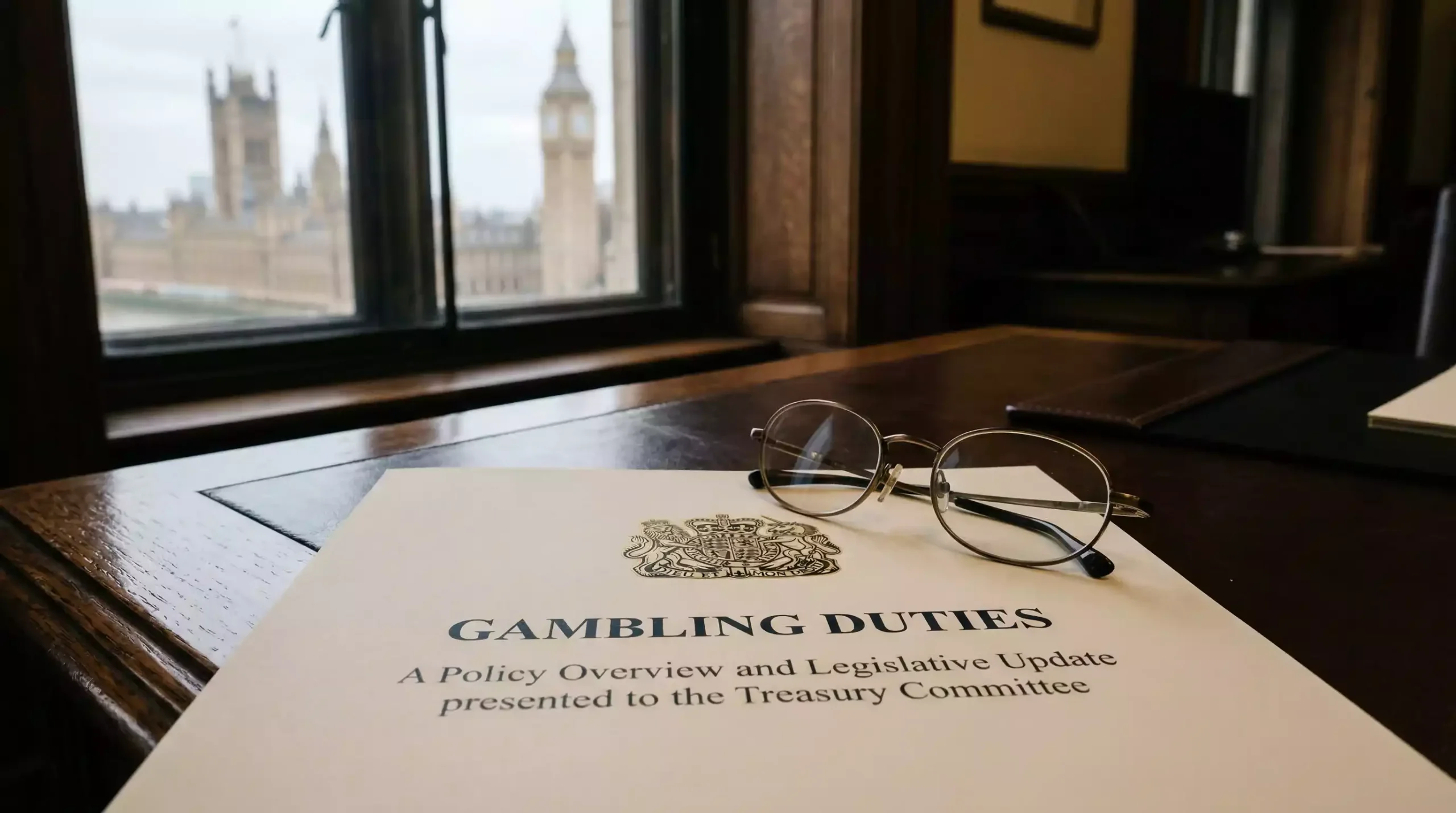
UK gambling tax changes coming into force in 2026 and 2027 represent the most significant restructuring of betting taxation in a generation. The headlines have focused on the impact on operators — bookmakers facing sharply higher duty rates on their online revenues — but the downstream effects will reach punters too. When operators pay more tax, the cost gets passed along through tighter odds, fewer promotions, and reduced investment in the products that bettors use every day. UK Gambling Tax Changes 2026–2027 — More on this topic at horse racing bookmakers.
For horse racing specifically, the picture is more nuanced than for other sports. The government has carved out a preferential rate for bets on British horse racing, recognising the sport’s economic contribution and the role of the betting levy. But that carve-out exists within a broader framework that’s squeezing the industry hard. The taxman’s take — and what trickles down to your odds.
The New Tax Structure
The HM Treasury policy paper on gambling duty changes sets out a two-phase restructuring. From 1 April 2026, Remote Gaming Duty — the tax on online casino, slots, and virtual gaming products — rises from 21% to 40% of gross gambling yield. That is nearly a doubling of the rate, and it applies to all operators serving UK customers, regardless of where they are licensed.
From 1 April 2027, a new remote sports betting duty of 25% will apply to online sports betting. This replaces the current 15% General Betting Duty rate for remote operators. The increase to 25% affects bets on football, tennis, cricket, and every other sport offered by online bookmakers — with one notable exception. Bets on British horse racing will continue to be taxed at 15%, a preferential rate that reflects the sport’s unique funding structure through the betting levy and its broader economic contribution.
The 15% rate for horse racing is a concession the industry fought hard to secure. Without it, the levy — already under pressure from declining turnover — would face a further squeeze as bookmakers adjusted their margins to absorb the higher tax burden. The carve-out means that, in theory, the odds and promotions on horse racing should be less affected than those on other sports. In practice, the picture is more complicated.
Impact on Bookmakers and Odds
Bookmakers are businesses. When their tax bill increases, they have three options: absorb the cost through lower profits, reduce their operating expenses, or pass the cost to customers through worse odds and fewer promotions. The industry’s track record suggests a combination of all three, with customers bearing a meaningful share.
The Remote Gaming Duty increase to 40% primarily affects online casino and slots, but it compresses overall profitability for operators that run both casino and sportsbook products. Most major bookmakers — bet365, Flutter (Paddy Power, Betfair, Sky Bet), Entain (Ladbrokes, Coral) — derive a significant proportion of their revenue from online gaming. When that revenue is taxed at nearly double the previous rate, the pressure to extract more margin from every product line, including horse racing, becomes acute even if racing’s own tax rate hasn’t changed.
The 25% remote sports betting duty from 2027 will have a more direct impact on odds for other sports. Bookmakers currently pricing football at a 5–8% margin may need to widen that margin to cover the higher duty. For punters who bet across multiple sports, the effect will be noticeable — particularly on accumulators and in-play markets where margins are already thin. Horse racing, taxed at 15%, should in principle be insulated from this squeeze. But if operators rationalise their promotional spending across the business, racing-specific offers like enhanced odds and extra places could still be reduced even if the tax rate on racing itself hasn’t moved.
Black Market Risk
The most frequently cited risk of higher gambling taxes is the migration of punters to unlicensed operators who pay no tax, offer no customer protections, and operate entirely outside the regulatory framework. An EY report commissioned by the BGC estimated that the tax reform could result in approximately 17,000 job losses across the gambling industry and drive over £6 billion in bets to the black market.
The mechanism is straightforward. Higher taxes lead to worse odds and fewer promotions at licensed operators. Some punters — particularly high-volume bettors and those already frustrated by affordability checks — seek out unlicensed alternatives that offer better prices and fewer restrictions. Those unlicensed sites don’t contribute to the levy, don’t fund responsible gambling programmes, and don’t provide the player protections that UKGC licensing mandates.
The precedent from other jurisdictions supports the concern. When the Netherlands raised its online gaming tax to 34.2%, licensed operators reported revenue declines and black market gambling surged to account for more than half of the online market. The UK’s proposed rates would make it one of the most heavily taxed online gambling markets in Europe, potentially producing similar dynamics.
For horse racing, black market migration has specific consequences. Every pound wagered with an unlicensed operator is a pound that doesn’t contribute to the betting levy, which means less funding for prize money, integrity, and welfare. The industry’s concern is not abstract: it’s about a measurable reduction in the financial base that sustains the sport.
What It Means for Punters
For horse racing bettors, the immediate impact of the 2026 changes should be limited. The 15% rate on racing bets is preserved, and the operators who primarily serve the racing market — including the independents and racing-focused bookmakers — are relatively insulated from the casino-side tax increase. The odds on your next race bet shouldn’t change because of Remote Gaming Duty.
From 2027, when the 25% remote sports betting duty takes effect on other sports, the indirect effects may become more visible. Cross-sport promotions may shrink. Bookmakers may reallocate trading resources away from sports that have become less profitable. The overall promotional generosity of the industry — welcome offers, free bets, enhanced odds — could contract as operators adjust to a higher-tax environment. For punters who bet across both racing and football, the impact will be felt most acutely on the football side, where the higher tax rate applies directly.
There is also a structural concern for horse racing. The levy depends on bookmaker profitability from racing. If operators are squeezed on their casino and football revenues, they may seek to extract more margin from racing — even though the tax rate on racing itself hasn’t changed. A bookmaker under financial pressure doesn’t distinguish between products when looking for ways to protect the bottom line. Tighter odds, reduced extra place offers, and smaller promotional budgets are all possible consequences even under a favourable tax rate. See also UK Horse Racing Prize Money.
The practical advice is unchanged: bet with licensed operators, compare odds across multiple bookmakers, and take advantage of the competitive dynamics that still exist in the horse racing market. The 15% carve-out for racing means that this sport remains, for now, the best-treated category in UK betting from a tax perspective. Whether that advantage translates into better odds and more generous promotions depends on how operators choose to allocate the benefit — and on whether the broader tax pressure overwhelms the racing-specific relief.
