

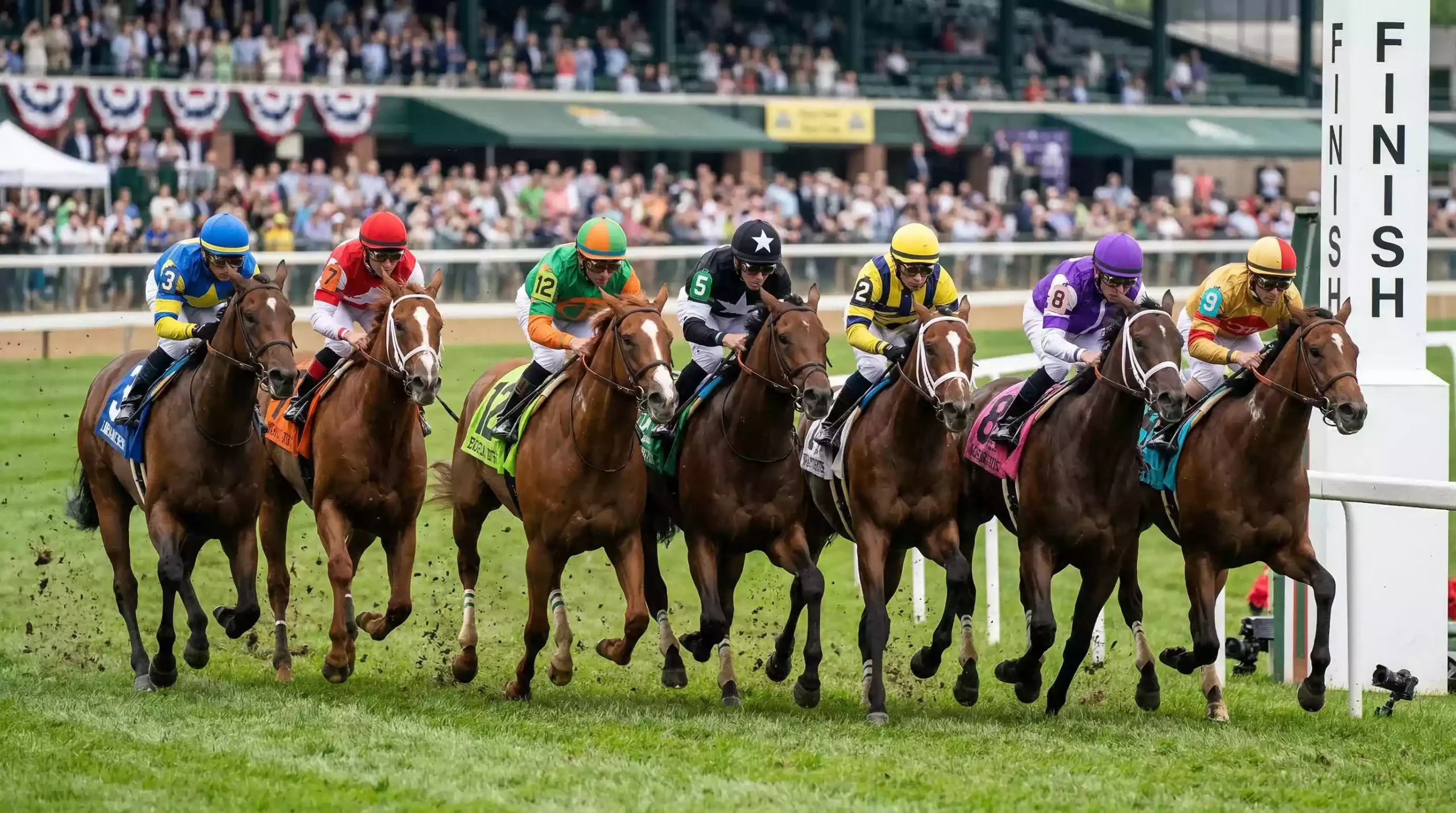
Extra places in horse racing are one of the most underappreciated promotions bookmakers offer — and one of the few that genuinely shifts the maths in the punter’s favour. The concept is simple: on selected races, the bookmaker extends the standard place terms so that more finishing positions pay out on each way bets. Instead of paying the first three or four places, the offer might cover five, six, or even seven. For anyone who bets each way regularly, that extension can turn near-misses into payouts and losing afternoons into break-even ones. Extra Places Horse Racing — More on this topic at horse racing bookmakers.
The value is real, but it comes with conditions. Not every race qualifies. Not every bookmaker is equally generous. And the margin the bookmaker builds into extra place markets is higher than on standard each way terms — sometimes significantly so. Understanding when extra places add genuine value, and when they are just marketing dressed as generosity, is the difference between using the promotion wisely and being lured into bets you would not otherwise make. One extra place can turn a loser into a payout — but only if the numbers work.
How Extra Places Work
Standard each way terms on horse racing are set by the race conditions. In a handicap with 16 or more runners, the standard place terms are typically a quarter of the odds for the first four places. In a non-handicap with eight or more runners, it is usually a quarter of the odds for the first three. Smaller fields — five to seven runners — pay one-fifth of the odds for the first two places. Below five runners, each way betting is usually unavailable.
An extra place promotion extends those terms. If the standard is four places, the bookmaker might offer five or six. The extra positions pay at the same fraction of the odds — one quarter or one fifth — as the standard places. So if you back a horse each way at 20/1 with quarter-odds place terms and the bookmaker is paying six places, a horse finishing sixth returns 5/1 on the place portion of your bet. Without the extra place offer, that same sixth-place finish returns nothing.
The catch — and there is always a catch — is in the margin. Analysis of extra place markets shows that the bookmaker’s overround on these promotions can reach as high as 50%, compared to the standard 10–30% overround on the underlying win market. The bookmaker is not extending places out of goodwill; it is pricing the extra risk into the odds offered on the race. In some cases, the odds on extra place races are subtly shorter than on the same race at a bookmaker not offering the promotion. The extra place looks like a bonus, but the margin has already absorbed part of its value.
That said, the maths still frequently favours the punter — particularly in big-field handicaps where the probability of a horse finishing in the extra places is meaningful. A 25-runner handicap with six places paid covers nearly a quarter of the field. At that ratio, even accounting for the wider margin, each way bets on mid-priced runners carry a significantly higher probability of some return. The key is to compare the odds being offered on the extra place race against the odds available at bookmakers not running the promotion. If the price is comparable, the extra place is genuine value. If it is notably shorter, the promotion has been baked into the odds and the edge is thinner than it appears.
What to Look for in Extra Place Offers
The major UK bookmakers all offer extra places, but their approach differs in frequency, scope, and generosity. Knowing what separates a strong extra place offer from a weak one helps you capture the best value.
The most aggressive operators on extra places regularly offer extended terms on Saturday feature handicaps, festival races, and major meetings. During peak periods like Cheltenham and Royal Ascot, the most generous bookmakers extend to six or seven places on the biggest handicaps. Crucially, their odds tend to remain competitive alongside the promotion — which is not always the case elsewhere.
Multi-brand corporate groups often run extra place promotions frequently, particularly during festival weeks and on ITV-broadcast races. These operators tend to headline their extra place offers prominently, making them easy to find. The place terms are usually generous — five or six places on the big handicaps — and the odds hold up well compared to non-promoting competitors.
Operators with long histories in horse racing remain competitive on extra places, offering extended terms on most major meetings. Festival periods are when extra place activity peaks across the entire industry — the Cheltenham Festival, with its expected £450 million in total betting turnover across four days in 2026, is the annual high-water mark.
Heritage racing bookmakers offer extra places but less frequently, and the terms tend to be slightly less generous — four or five places where the leaders might offer six. For these operators, the promotional emphasis falls more on full-cover bet bonuses and money back specials, which suit a different betting style. Operators sharing enterprise technology platforms both offer extra places through a coordinated promotional calendar, with terms that are usually competitive on the big races but less consistent on everyday fixtures.
Some operators run extra place promotions on selected races, often linked to editorial tips and featured betting content. The terms are solid when they appear, but the frequency is lower than the market leaders. For punters using these as their primary bookmaker, the extra place offers are a useful supplement rather than a headline feature.
Strategy: When Extra Places Add Value
Extra places add the most value in three specific scenarios, and recognising them is the skill that separates strategic use from reflexive use.
The first scenario is big-field handicaps. A race with 20 or more runners paying six places covers 30% of the field on the place portion. At that coverage level, the probability of a mid-priced horse (12/1 to 25/1) hitting a place is meaningfully higher than in a standard four-place race. Each way bets on these runners become more attractive because the place portion has a realistic chance of landing even if the win portion does not. The Royal Hunt Cup at Ascot, the Cambridgeshire at Newmarket, and the big handicaps at Cheltenham are the races where extra places deliver their strongest value.
The second scenario is when the extra place offer does not compress the odds. As noted, some bookmakers shorten their prices on extra place races to offset the cost of the promotion. If you compare the odds on your selection at the extra place bookmaker against the price at an operator not running the promotion and the prices are similar, the extra place is a genuine bonus. If the odds are noticeably shorter, the value is diminished. Price comparison before placing the bet takes thirty seconds and is the single most important step in using extra places profitably.
The third scenario is combining extra places with Best Odds Guaranteed. If your bookmaker offers both, you can take an early price on an extra place race with BOG protection. If the SP drifts higher, you get the better price on both the win and place portions — and you have the extra places on top. That combination is one of the best value setups available in UK horse racing betting, and it is available at several major bookmakers on the biggest race days of the year.
When Extra Places Actually Pay Off
Extra places are a genuine edge when used strategically — on big-field handicaps, at bookmakers who do not compress the odds to fund the promotion, and in combination with BOG. They are less valuable on small-field races, at bookmakers who shorten their prices to offset the extra positions, or when used as the sole reason to bet on a race you would otherwise skip. The promotion is a tool, not a strategy. Use it to enhance bets you would make anyway, not to justify bets you would not. See also Lucky 15 Betting on Horse Racing.
Hold accounts with the most frequent and generous extra place operators to give yourself the widest coverage. Compare odds across operators before placing, and prioritise the races where the combination of field size, extra places, and competitive pricing delivers the strongest mathematical case. That disciplined approach extracts the most from a promotion that, used correctly, genuinely tilts the odds in the punter’s direction.
